Bagi Penyedia Layanan Internet (ISP), keandalan jaringan adalah hal yang mutlak. Gangguan tidak hanya mengganggu layanan—tetapi juga merusak kepercayaan pelanggan dan berdampak pada pendapatan. Data terbaru menunjukkan peningkatan yang mengkhawatirkan dalam gangguan jaringan secara global, menekankan perlunya solusi manajemen yang lebih cerdas dan tangguh.
|
Wilayah |
Gangguan Sebelumnya |
Gangguan Saat Ini |
Persentase Perubahan |
|
Global |
106 |
134 |
26% |
|
A.S. |
28 |
60 |
114% |
Platform manajemen cloud canggih, seperti Smawave , menyediakan alat yang andal dan hemat biaya bagi ISP untuk menjaga kesehatan jaringan, memastikan skalabilitas, serta melindungi kepentingan bisnis dan pelanggan.

- Pemantauan Berkelanjutan: Alat berbasis cloud memungkinkan pengawasan jaringan 24/7, memungkinkan deteksi dan penyelesaian masalah secara cepat sebelum memengaruhi pengguna.
- Pemeliharaan Otomatis: Pembaruan dan patch yang dijadwalkan mengurangi kesalahan manusia dan menjaga keamanan perangkat tanpa perlu intervensi manual.
- Redundansi & Alih Cadangan: Sistem cadangan dan alih cadangan otomatis memastikan layanan tetap berjalan tanpa gangguan meskipun terjadi kegagalan pada tautan utama.
- Respons Insiden Cepat: Peringatan waktu nyata dan alat akses jarak jauh meminimalkan waktu henti dan menjaga kepuasan pelanggan.
- Efisiensi Biaya: Model berlangganan mengurangi investasi awal dan mengoptimalkan pengeluaran operasional.
Kegagalan fisik tetap menjadi penyebab utama gangguan. Mulai dari putusnya kabel serat, konektor yang rusak, hingga kerusakan lingkungan akibat panas atau kelembapan, masalah perangkat keras dapat melumpuhkan koneksi. Pemakaian normal dan gangguan daya semakin memperbesar risiko ini, sehingga diperlukan pemeliharaan yang cepat dan proaktif.
Kesalahan Perangkat Lunak & Konfigurasi
Kesalahan konfigurasi, firmware yang sudah ketinggalan zaman, dan perubahan yang dilakukan dengan buruk selama pemeliharaan merupakan penyebab umum. Kesalahan manual—seperti pengaturan yang salah atau gangguan yang tidak direncanakan—dapat memicu gangguan layanan yang meluas.
Kesalahan manusia
Studi menunjukkan bahwa kesalahan manusia menyumbang sebagian besar penyebab downtime jaringan. Kesalahan selama perubahan konfigurasi, operasi penskalaan, atau penyesuaian keamanan dapat menyebabkan gangguan yang berkepanjangan.
Ancaman Keamanan
Serangan siber seperti ransomware, DDoS, dan kerentanan rantai pasokan menghadirkan risiko serius terhadap ketersediaan jaringan. Tanpa mekanisme pemantauan dan respons yang kuat, penyedia layanan internet (ISP) tetap rentan terhadap insiden keamanan yang mengganggu.
Pemantauan dan Peringatan Secara Real-Time
Platform cloud seperti Smawave mengumpulkan dan menganalisis data dari semua perangkat yang terhubung secara waktu nyata. Peringatan yang dapat disesuaikan memberi tahu tim tentang masalah secara langsung—sering kali sebelum pelanggan terkena dampak—memungkinkan tindakan cepat dan menjaga kesepakatan tingkat layanan.
Pemeliharaan & Pembaruan Otomatis
Otomatisasi pembaruan firmware, patch keamanan, dan konfigurasi rutin untuk menghilangkan tugas manual dan mengurangi proses yang rentan kesalahan. Ini memastikan perangkat tetap aman, berkinerja optimal, dan sesuai ketentuan tanpa gangguan layanan.
Redundansi Terintegrasi & Alih Cadang Otomatis
Manajemen cloud memungkinkan ISP menerapkan konektivitas multi-saluran dan alih cadang otomatis. Jika satu saluran atau perangkat gagal, lalu lintas secara mulus dialihkan, menjaga waktu operasional dan pengalaman pengguna.
Respons Insiden Cepat & Manajemen Jarak Jauh
Dengan dashboard terpusat dan kemampuan pemecahan masalah jarak jauh, tim teknis dapat mendiagnosis dan menyelesaikan masalah dari mana saja. Hal ini mempercepat waktu pemulihan dan mengurangi kebutuhan kunjungan langsung ke lokasi.
Peningkatan Postur Keamanan
Alat keamanan terintegrasi menyediakan pemantauan ancaman secara berkelanjutan, pelaporan kepatuhan otomatis, dan manajemen kebijakan terpusat—memperkuat pertahanan terhadap ancaman siber yang dapat menyebabkan downtime.

|
Aspek |
Metode Tradisional |
Manajemen awan |
|
Pencegahan waktu henti |
Perbaikan reaktif, manual |
Pemantauan proaktif & otomatisasi |
|
Struktur biaya |
Biaya tinggi awal, biaya perawatan berkelanjutan |
Berlangganan, bayar sesuai penggunaan |
|
Skalabilitas |
Terbatas, tergantung perangkat keras |
Elastis, dikelola secara terpusat |
|
Keamanan |
Terfragmentasi, pembaruan manual |
Terpadu, perlindungan real-time |
Manajemen cloud tidak hanya mengurangi pengeluaran modal awal tetapi juga meningkatkan fleksibilitas operasional, memungkinkan ISP untuk berkembang secara aman dan efisien.
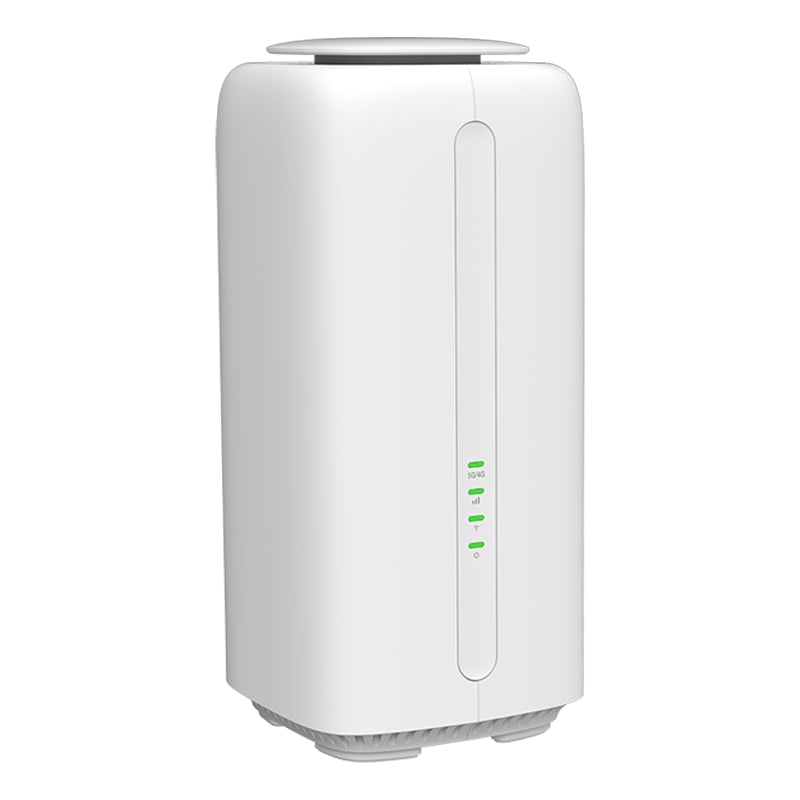
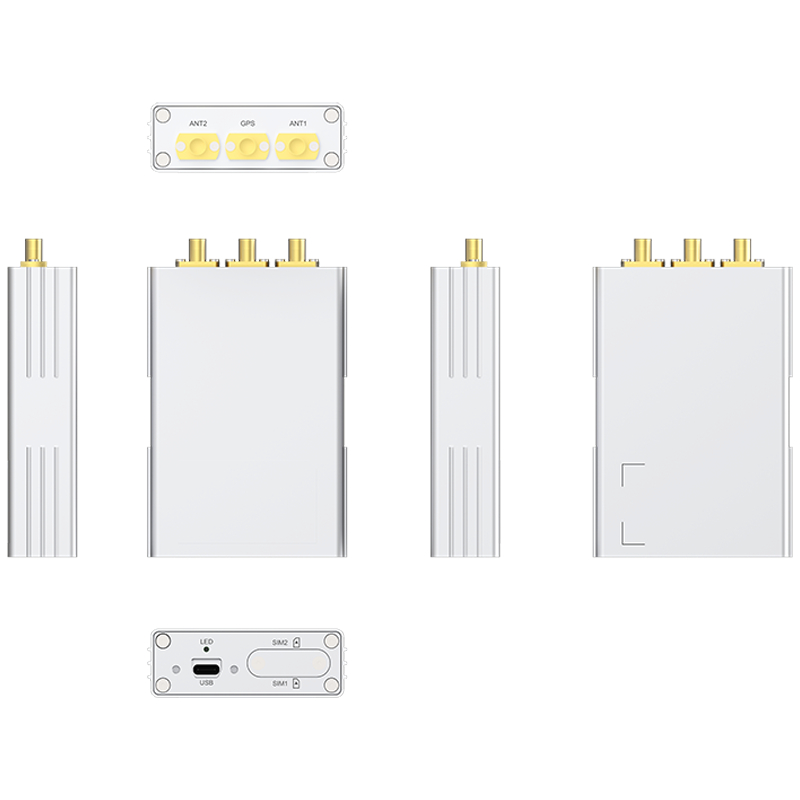
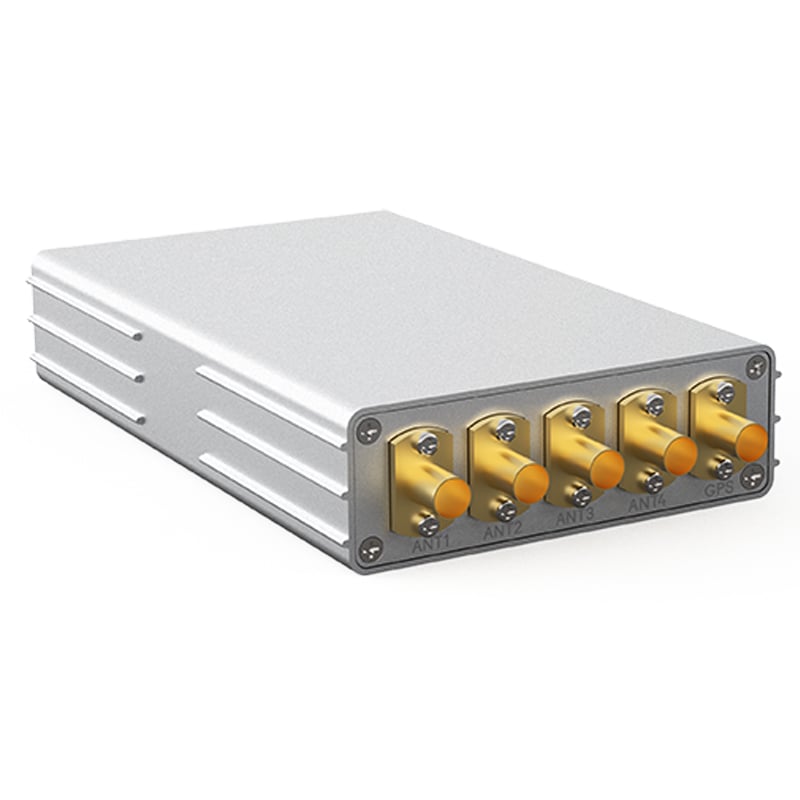
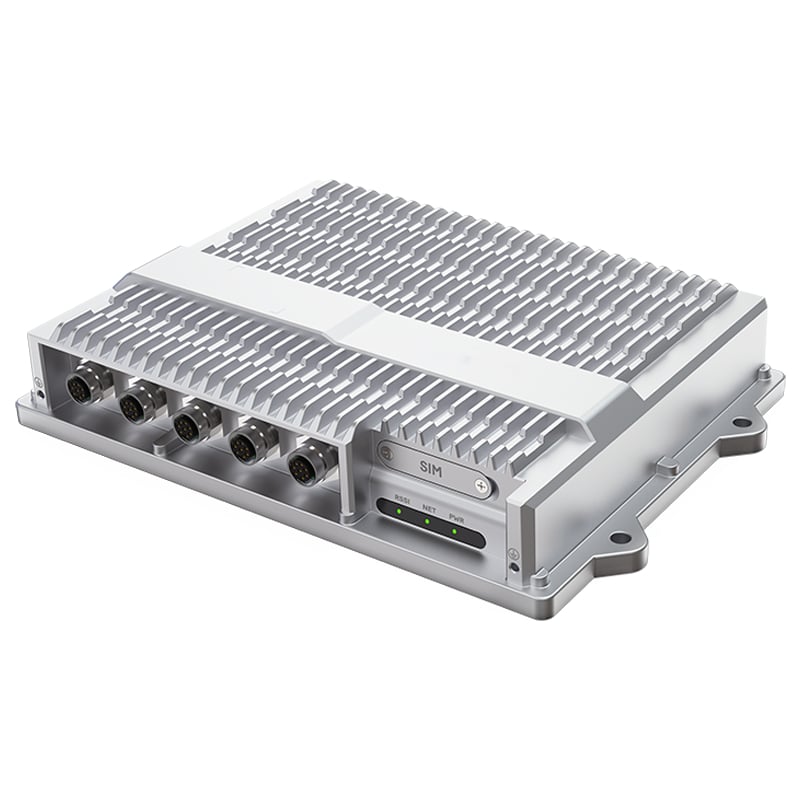
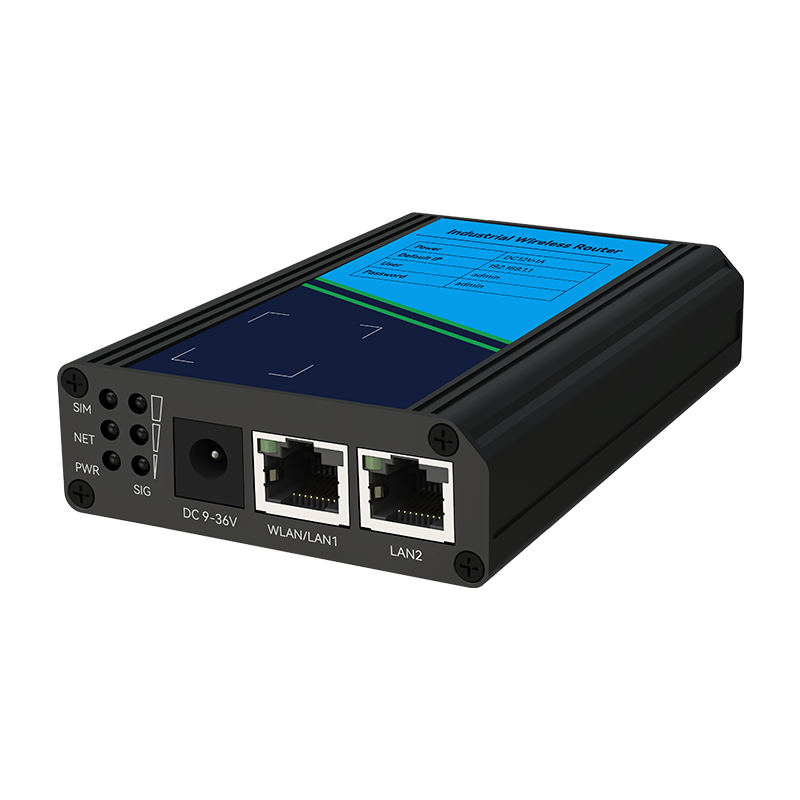
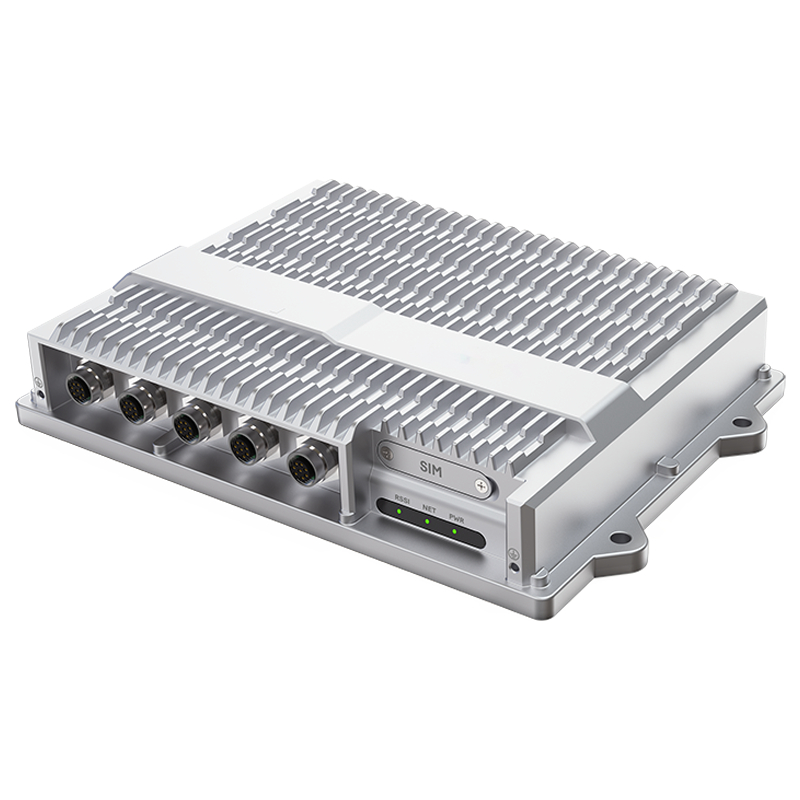
Sebagai produsen terkemuka router FWA 5G/4G dan router industri, Smawave secara unik menggabungkan perangkat keras yang kuat dengan perangkat lunak cloud cerdas. Platform kami menawarkan:
- Manajemen perangkat yang tidak bergantung pada vendor untuk lingkungan jaringan yang beragam
- Integrasi mulus dengan infrastruktur yang sudah ada
- Solusi yang dapat diskalakan, cocok untuk penerapan di lingkungan perumahan, bisnis, dan industri
- Analitik canggih untuk mendorong optimasi jaringan secara berkelanjutan
Dengan memilih Smawave, ISP mendapatkan solusi end-to-end yang meningkatkan ketahanan, mengurangi biaya, dan menjamin keberlangsungan operasional di masa depan.
Bagaimana manajemen berbasis cloud mengurangi waktu henti jaringan?
Manajemen ini memungkinkan pemantauan real-time, perbaikan otomatis, dan intervensi jarak jauh yang cepat—menangani masalah sebelum memburuk.
Apakah manajemen berbasis cloud terjangkau untuk ISP kecil?
Ya. Model berlangganan menghilangkan biaya awal yang besar dan menyesuaikan pengeluaran dengan penggunaan aktual.
Bisakah manajemen berbasis cloud mengamankan jaringan saya?
Tentu saja. Deteksi ancaman berkelanjutan, pembaruan otomatis, dan penegakan kebijakan terpusat memperkuat postur keamanan.
Apakah ini akan bekerja dengan perangkat yang sudah saya miliki?
Platform Smawave dirancang untuk mengelola peralatan multi-vendor di jaringan rumah, bisnis, dan industri, memastikan kompatibilitas dan skalabilitas.
Siap Membangun Jaringan yang Lebih Tangguh?
Jelajahi bagaimana solusi 5G berbasis cloud dari Smawave dapat menjaga layanan Anda tetap berjalan—sekarang dan di masa depan.
Kunjungi [smawave.com] untuk mempelajari lebih lanjut.
 Berita Terkini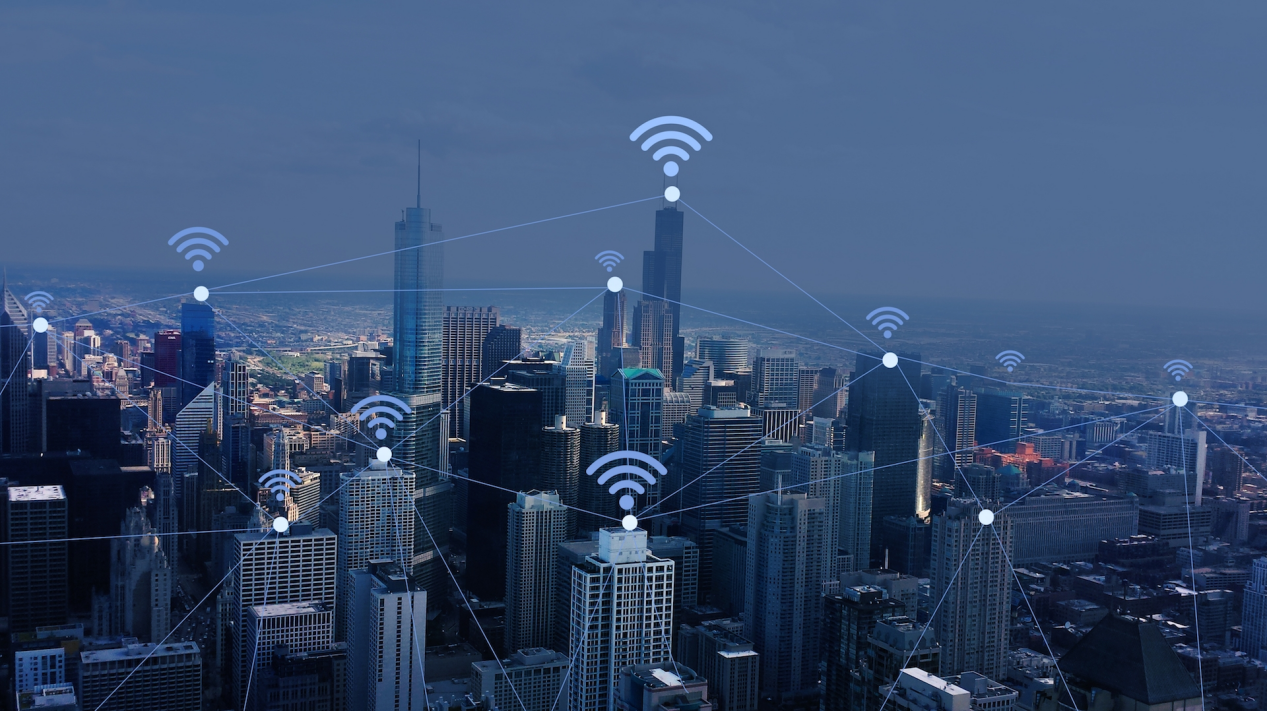
Platform Manajemen Operasi Terminal adalah alat kuat untuk operator telekomunikasi dan penyedia layanan internet. Ini membantu Anda memantau secara komprehensif, mengelola, dan mengoptimalkan kinerja, status, dan penggunaan perangkat terminal Anda. Hal ini menghasilkan peningkatan kualitas layanan jaringan, pengurangan tingkat kegagalan, dan alokasi sumber daya yang efisien.
Pelacakan waktu nyata status perangkat CPE, identifikasi cepat kerusakan, dan kendali jarak jauh untuk pemeliharaan, memastikan operasi jaringan yang stabil.
Analisis data cerdas menghasilkan laporan rinci, memberikan wawasan ilmiah untuk menyempurnakan strategi operasional.
Proses diagnostik dan pemulihan kesalahan otomatis meminimalkan intervensi manual, meningkatkan efisiensi operasional.
Mendukung berbagai jenis perangkat CPE dan vendor, menyesuaikan secara fleksibel dengan lingkungan jaringan dan kebutuhan operasional yang berbeda.
Gunakan umpan balik data presisi dan optimasi sistem untuk meningkatkan kepuasan pengguna dan pengalaman jaringan.
Copyright © Shanghai Smawave Technology Co.,Ltd All Rights Reserved KEBIJAKAN PRIVASI
 EN
EN